

The story of the climate crisis is becoming full of ironies: more farmers who cannot feed themselves, petrostates hosting the global climate negotiations – and now, the rising floods that submerge entire towns also exposing systemic flaws that have long plagued this nation.
Once again, everyone is looking for someone to blame, with many of these “someones” being the same people Filipinos voted for. Everyone is looking for the quickest possible solution, without looking deeper into the track record of those who offer them.
Between incompetent government officials and greenwashing businesspeople, Filipinos are once again forced to choose the “lesser evil,” as seen in comments on social media – as if there are only two options to choose from.
If there is one bright side that has emerged from yet another occurrence of this disaster, it is that everyone is once again reminded of the importance of protecting nature.
Reconnecting with nature
It is impossible to fully quantify the connection of human beings with nature. But a recent study provides a reasonable estimate: through urbanization, biodiversity loss, and a decline in intergenerational pro-ecology awareness, our connection to nature has decreased by more than 60% in the past two centuries.
This disconnect has been painfully evident in the Philippines and elsewhere, driven by the dominance of the “technocratic paradigm.” As explained in the late Pope Francis’ encyclical Laudato Si’, this refers to proposed technical solutions and their economic benefits being prioritized by decision-makers at the expense of social, ethical, and environmental considerations – all in the name of “development.”
In recent times, it is seen in the boom of accessible tools related to artificial intelligence. This has raised concerns anew about the spread of false information and the hindering of critical thinking, especially among children and youth.
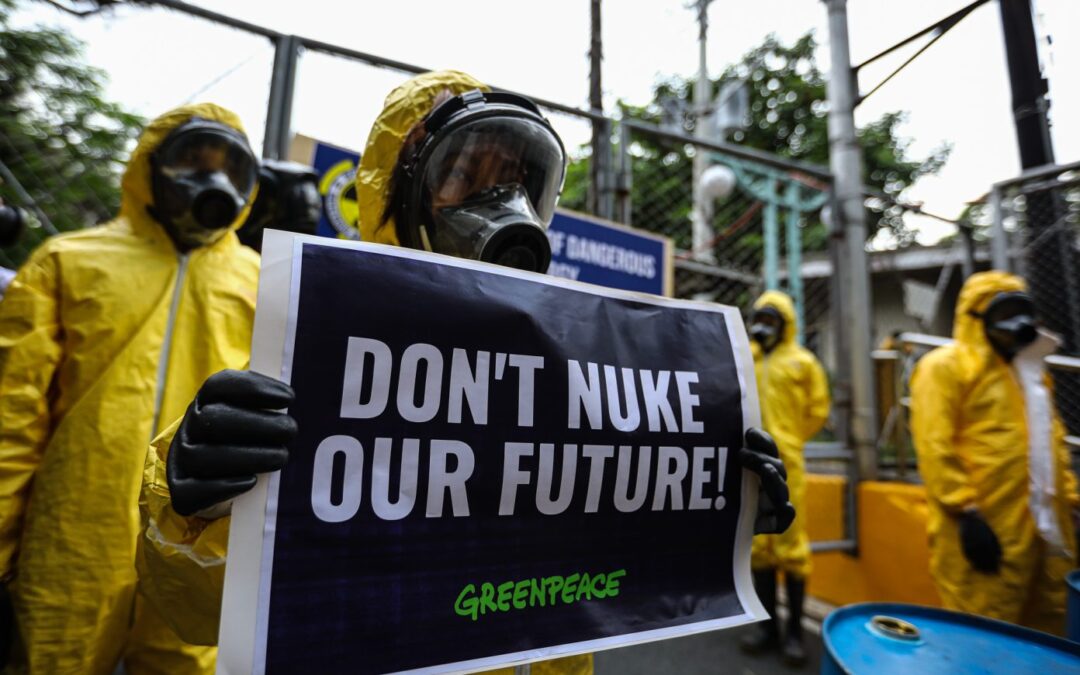
It is also evident in the many large-scale infrastructure projects throughout the country. It is seen in the current administration’s favoring of nuclear and gas – parts of its “sustainability” agenda that it has proudly pushed for, yet which were suddenly missing in the 2025 State of the Nation Address.
It can even be seen in its push for genuine climate solutions, including renewable energy (RE) like solar and wind. While RE is undeniably the most effective means of reducing climate pollution, these projects can also harm forests, rivers, biodiversity, and nearby communities if not constructed and operationalized in a just manner.
Many Filipinos seem to only remember the imperative of taking care of nature when they go on trips, a celebrity calls for it on social media, or they are directly staring at a disaster. As the song goes, you really “don’t know what you’ve got ‘til it’s gone” – or in this case, ignored.
Everything has a cost
Filipinos just cannot resist a bargain. It is part of that classic national brand of resilience: finding “creative” ways and maximizing available chances to overcome challenges in the fastest time possible. And who can blame them? So, when someone offers to solve something for “free,” it is only natural that many people – politicians and citizens alike – would listen.
But there is no such thing as free or no costs when it comes to ecological solutions.
More importantly, there is no quick fix to our ecological problems.
These are lessons every Filipino must learn and accept.
Our flooding problem is but one product of centuries of growing disconnect with nature. This has manifested in the Philippines through corrupt governance systems, worsening social and economic inequalities, and the distorted notion of development that allows the well-being of the most vulnerable communities and our natural environment to be sacrificed.
We must also understand that everything is interconnected – something that must not only be remembered when we are figuring out how a disaster happened. We need to learn to look at our issues and actions not only through their face value or, in the eyes of many, their monetary value.
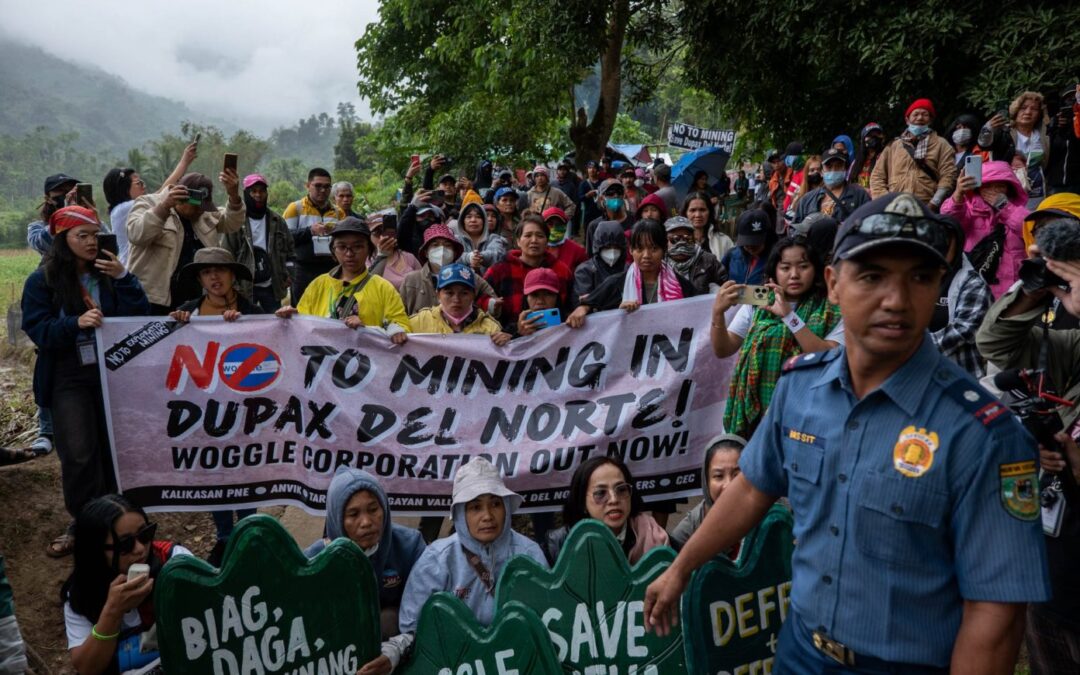
Replacing deforested areas with plantations of the same species somewhere else does not offset the destruction and displacement caused. Compensating relocated communities, especially Indigenous Peoples, will never fully capture the social and cultural aspects of their lives lost due to an infrastructure project.
Solving long-term problems requires long-term solutions that look into their root causes. Sometimes, the most effective solutions are the ones staring right at us. One such solution is education and awareness-raising about the true value of our people and planet – implemented in the long term, with short-term milestones along the way.
Annual campaigns to popularize nature are not enough; we need to invest more in promoting ecological education across all levels of learning. Air conditioning and green spaces in malls can never measure up to the long-term benefits of ecologically sound urban planning.
We need to stop believing that no one is doing anything about our environmental problems; there are countless people doing something, but it is a matter of using the right platforms to communicate and connect. In this modern age, aren’t these better stories to see on social media or television than fake news and clickbait?
Mountains, rivers, and the rest of nature are not like some sports league that can just be shaped by money to favor the interests of the profit-first elite. We are part of nature. Most of us never lost this connection; we simply have forgotten it.
Perhaps we are looking at “free” the wrong way. Instead of expecting the “no-cost” delusion that does not exist, we must look at what is real – the only way we can truly be “free” from the persistent flooding, the corruption, the greenwashing, and everything else is if we learn to hold others and ourselves accountable.
After all, there is no such thing as a “natural disaster.” Disasters happen due to the negligence, ignorance, or other harmful actions of people. Disasters are not only limited to natural hazards like typhoons.
Sometimes, those who speak proudest are the ones hiding the most guilt.
When will Filipinos learn to recognize who these are?
John Leo Algo is the National Coordinator of Aksyon Klima Pilipinas and the Deputy Executive Director for Programs and Campaigns at Living Laudato Si’ Philippines. He has been representing Philippine civil society at UN climate and environmental conferences since 2016 and has worked as a climate and environment journalist since 2016.
0 Comments