

A Time to Reflect and Act:
Each year, from September 1 to the second Sunday of October (Indigenous Peoples Sunday), Christians worldwide celebrate the Season of Creation. It is a time to pray, reflect, and act for our Common Home. It reminds us that the Cry of the Earth and the Cry of the Poor are inseparably linked. Amid worsening climate change, biodiversity loss, and environmental degradation, we are called not only to ecological conversion but also to recognize a deeper truth: the Rights of Nature are inseparable from Human Rights.
In Cagayan de Oro City, the celebration begins earlier, on August 28, the feast day of St. Augustine, the city’s patron. This unique tradition highlights the deep connection between faith, community, and creation. St. Augustine himself viewed the environment as God’s creation, emphasizing its intrinsic goodness, beauty, and purpose to glorify God and serve humanity. Though his theology predates modern environmentalism, his principles remain foundational for contemporary Christian ecological ethics.
St. Augustine’s Wisdom for Today:
St. Augustine taught that created things are meant for the common good, and their use must be regulated for the benefit of all. His call to a “rightly ordered love” offers a framework for sustainable living in a time of climate change and rampant consumerism.
* Stewardship: His theology affirms responsible care of the Earth as God’s handiwork, ensuring a flourishing and sustainable world.
* Critique of Consumerism: His warning against excessive attachment to material things critiques modern materialism and unchecked consumerism.
* Right Relationships: He stressed harmony with God, with one another, and with creation itself, forming the basis of an ecological ethic that is just and sustainable.
Thus, beginning the Season of Creation on St. Augustine’s feast is not only symbolic but also prophetic: it roots the celebration in a theological vision that demands both justice and sustainability.
A Prophetic Vision of Creation Without Peace:
This year’s theme, “Peace with Creation” is inspired by Isaiah 32:14–18. The prophet describes desolated cities and wastelands, a creation without peace because of injustice and a broken relationship between God and humankind. His vision eloquently shows how destructive human behavior devastates the Earth and endangers life itself. Yet Isaiah also offers hope: when justice is restored, peace will return to creation, and life will flourish again.
The Consequences of Exploiting Nature:
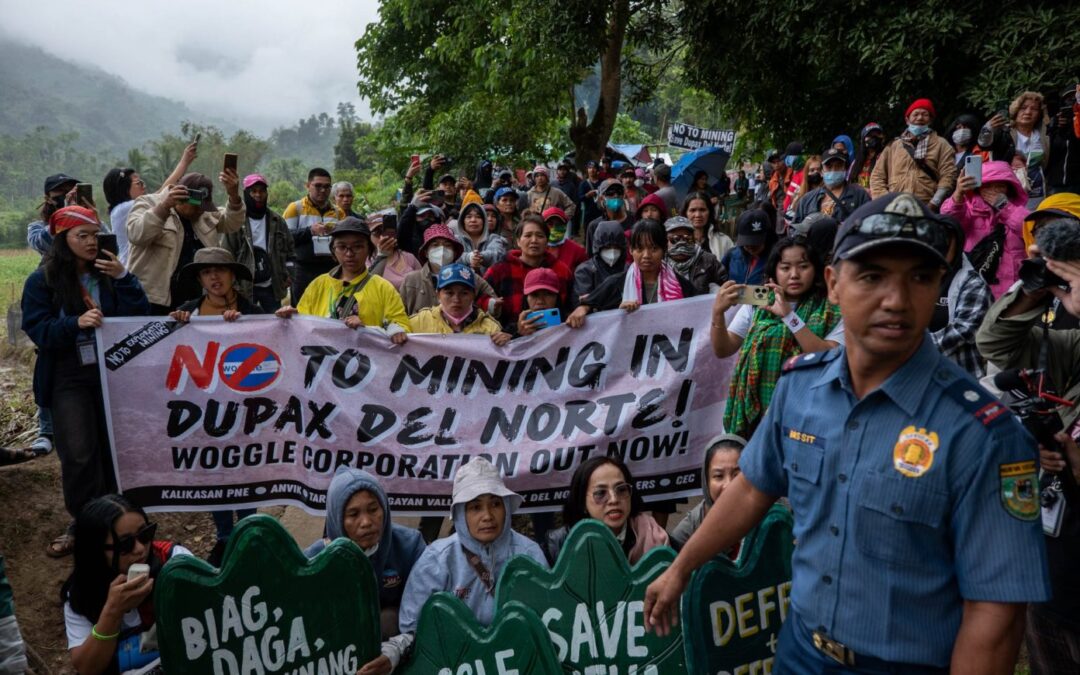
For too long, the dominant model of development has treated nature as a mere resource, reducing forests, rivers, soils, and oceans to commodities. This pursuit of profit has undermined the very systems that sustain life. Poisoned rivers deprive communities of water. Razed forests displace indigenous peoples and drive species to extinction. Degraded soils strip farmers of their livelihoods, leaving the poor to suffer hunger first and worst. Defending the Rights of Nature, therefore, is not optional, it is a moral imperative for justice, peace, and sustainable development.
Rights of Nature, Rights of Humanity:
To uphold the Rights of Nature is to affirm that ecosystems have the right to exist, thrive, and regenerate. It means recognizing that humanity is part of creation, not its master. This vision echoes Laudato Si’, which teaches that “everything is connected” and calls us to hear both the Cry of the Earth and the Cry of the Poor. Protecting rivers, forests, and soils is inseparable from protecting human rights, such as the rights to food, water, health, and life itself.
Justice as the Pathway to Peace with Creation:
True peace with creation can only come through justice. Organic agriculture, renewable energy, reforestation, and circular economies are not merely technical solutions but expressions of respect for the Integrity of Creation. By upholding the Rights of Nature, we build resilient communities, reduce inequality, and lay the foundations of genuine peace. This is the essence of sustainable development: progress that serves both people and planet.
A Season of Hope and Action:
The Season of Creation is an invitation to reimagine our relationship with the Earth. It calls us to move from domination to stewardship, from exploitation to reverence, from indifference to action. Our hope is clear: creation will find peace when justice is restored. There is still hope, and the expectation of a peaceful Earth remains. By defending the Rights of Nature, we defend humanity’s future. Let this season renew our courage to live as true protectors of God’s creation because only in harmony with nature can authentic human dignity, justice, and sustainable development be achieved.
BONG D. FABE is a freelance veteran journalist in Mindanao. He is one of the respected Mindanaoan journalists in the Philippines. Originally from Oroquieta City, he is now based in Cagayan de Oro City, where he works as a freelance media consultant-cum-editor.
Among his many involvements, Mr. Fabe is with the Archdiocesan Center of Concern, Empowerment and Social Services of the Archdiocese of Cagayan de Oro (ACCESS-ACDO); president of the Mindanao Media Advocates for Environment Protection (MMAEP), Inc., and also media consultant of the Anak Mindanao (AMIN) party-list.
0 Comments