

A Philippine energy watchdog has criticized the Department of Energy (DOE) for relaxing its 2020 moratorium on new coal projects, saying the move undermines the country’s renewable energy goals.
The Center for Energy, Ecology, and Development (CEED) warned that the DOE’s new advisory, signed by Energy Secretary Sharon Garin on October 14, opens the door for more coal use under broad exemptions.
These include own-use and off-grid projects, coal power for mining critical minerals, and new on-grid plants “under exceptional circumstances” such as power shortages or crises.
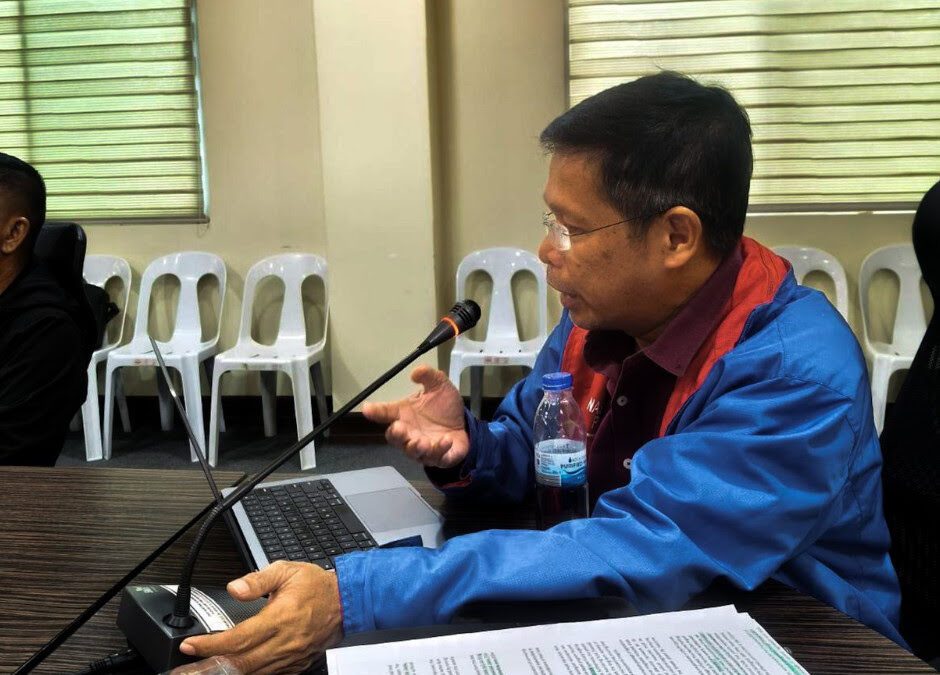
“The coal moratorium was put in place to promote the entry of more renewables. With every exemption, the DOE undermines the very objectives set out by the policy,” said Gerry Arances, CEED’s executive director.
CEED noted that coal, gas, and oil plants recorded the most forced outages between 2019 and 2023.
“We find it alarming that [the DOE] now sets ‘exceptional circumstances’ as a blanket condition for non-coverage, when coal power plants and their proponents have been the primary culprit for outages for years,” Arances said.
The group said the DOE’s decision runs counter to the government’s climate commitments, arguing that coal has long inflicted environmental, social, and economic harm on communities and that easing the moratorium risks stalling the country’s transition to renewable energy.
Arances added that the policy runs counter to global climate efforts, citing the International Union for Conservation of Nature’s recent recognition of fossil fuels as the root cause of the climate crisis.
“It is gravely disappointing to see the Philippine government, with DOE at its helm, seemingly running in the opposite direction,” he said.
CEED welcomed only one provision — the DOE’s mandate to set a timeline for retiring coal plants — but warned that the target remains “highly unambitious.”
“This shift to mandatory retirement is a step in the right direction,” Arances said. “But all this is one step forward, two steps back.”
0 Comments