

Climate advocates and coal-affected communities have called on the World Bank to take responsibility for what they described as “dirty investments” that continue to worsen poverty and fuel the climate crisis in the Philippines.
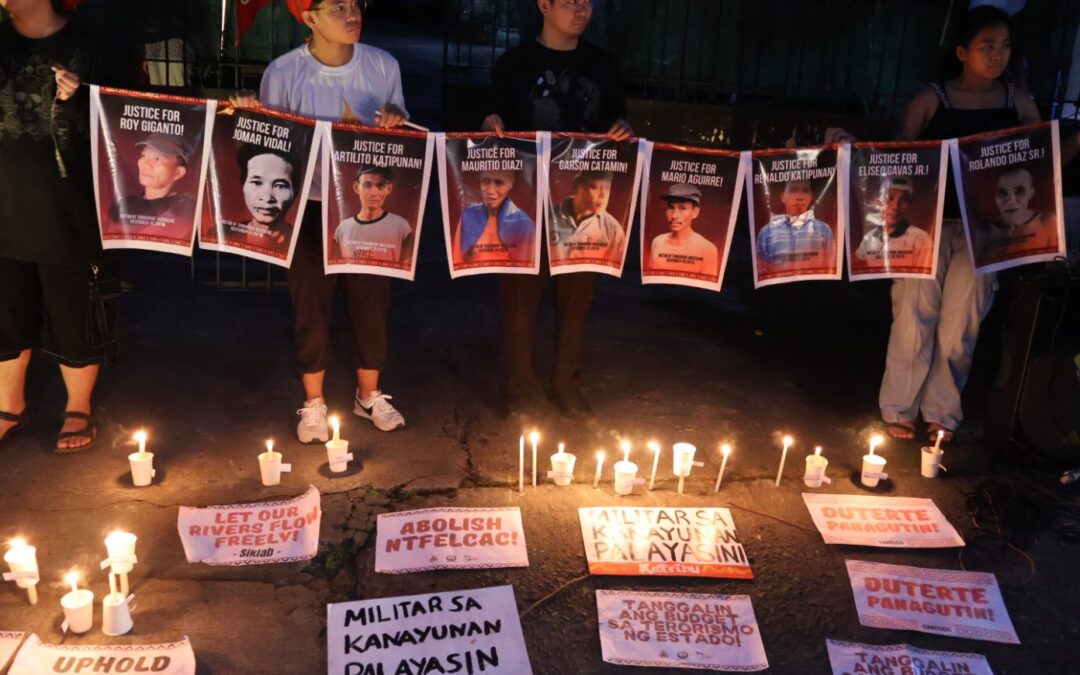
The Philippine Movement for Climate Justice (PMCJ) led a protest outside the World Bank office in Taguig City on October 13, demanding immediate remedies for the harm caused by coal projects funded through the International Finance Corporation (IFC) and its financial intermediary, Rizal Commercial Banking Corporation (RCBC).
The action coincided with the World Bank and International Monetary Fund (IMF) Annual Meetings in Washington, D.C., where PMCJ said it would press for reparations for affected communities.
“These global elites have long profited from the climate crisis while Filipinos drown in the effects of climate change, poverty, and debt,” PMCJ said.
Coal Communities Demand Redress
In Cebu, residents near Meralco’s Toledo Power Corporation coal plant said the project continues to harm their health and livelihoods despite years of complaints. The community’s case remains unresolved eight years after it was filed. In Sarangani province, members of the B’laan tribe’s Sandag clan have also demanded the shutdown of the Sarangani Energy Corporation (SEC) plant, which they link to health problems and displacement.
‘Profit Over People’
PMCJ said worsening disasters such as typhoons and earthquakes reveal a system that “prioritizes profit over people.” Billions of pesos in climate and flood-control funds have failed to protect communities, the group said, pointing to corruption and mismanagement.
‘World Bank Must Act with Justice’
“The Global South is bearing the brunt of the climate crisis, yet instead of delivering solutions, the World Bank Group is tied to deepening the problem,” said Elle Bartolome, PMCJ’s senior executive officer for policy, campaigns, and communications. She said the bank’s investments “left communities poorer and their environments barely livable,” eroding public trust in its commitment to end poverty.
Push for Systemic Change
PMCJ warned that the Philippines faces “grave danger” as long as financial institutions continue to bankroll fossil fuels. The group reiterated its call for debt cancellation, climate reparations, and a just transition to clean energy.
“The time is now for a systemic change,” said Ian Rivera, PMCJ national coordinator. “This will not happen as long as these global financial institutions fuel the climate crisis.”
0 Comments